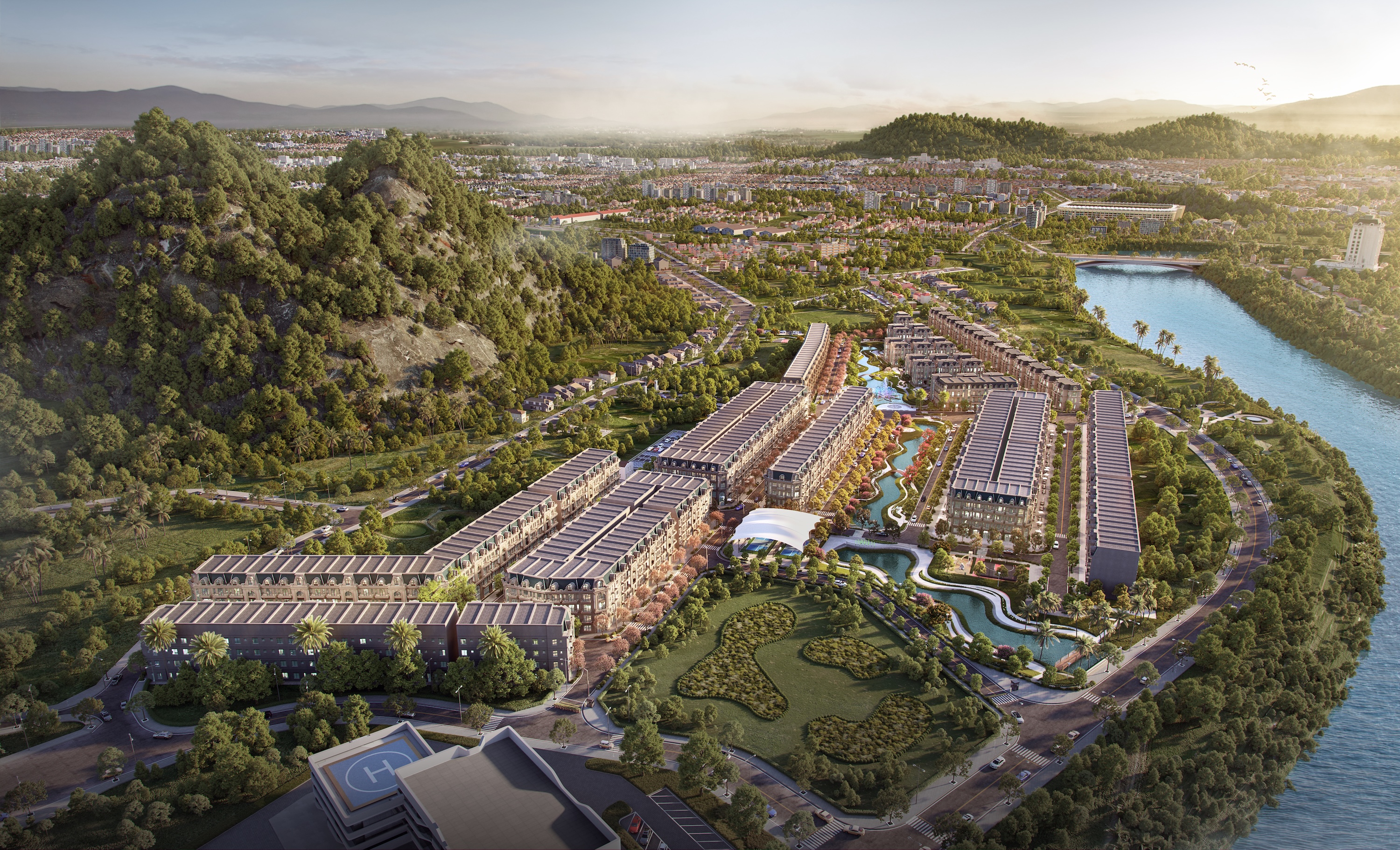
OVERCROWDING, LACK OF ACCOMMODATION
Settlers are abandoned and the poor have no social housing to buy.

Near my neighborhood there was a resettlement building built a long time ago but no one came to stay. This area is lit only when it is used as a quarantine zone for people infected with Covid-19. After the epidemic, everything returned to the way it was, deserted.
There is a paradox in housing development in Vietnam: resettlers are abandoned and people are tired of buying social housing.
The supply of social housing is lacking, low-income people have to rent, crowding in mini-apartments does not guarantee fire safety.
According to the official data, Hanoi and Ho Chi Minh City alone, about 18,000 resettlement apartments have been abandoned, causing a huge waste of land resources and public property.
The plan to convert some unused resettlement funds into social housing has been taken into account by the authorities, but still has many difficulties in implementation. Being involved in consulting a particular case, I realized that this is really a difficult problem from many aspects: regulation of legal procedures, design and also obstacles from the local side.
The legal procedure is the first node when it comes to the functional transition of abandoned resettlement houses to social housing. The starting point of these two types of projects is different, so the legal procedure and design standards are also different. When switching capacities, the authorities have to readjust almost the entire project legal procedure.
According to current regulations, the design area with a social housing apartment is a maximum of only 70 m! 2. Meanwhile, resettlement houses - due to the fact that they can be used to compensate multi-generational households - are not limited in area. Resettlement units larger than 70 m! 2 Therefore, it cannot be converted into social housing. Renovation to divide into smaller units will be complicated because the law does not provide for the case of adjusting the design to the already built apartments. The change to social housing of the “xedo” type (i.e. any suitable area is converted) has also been taken into account, but it makes operational management difficult.
The psychological factor of the population towards the resettlement house is another barrier.
Many resettlement projects of the past time have been scandalous in terms of the quality of construction, reducing the value of apartments. These constructions also often lack basic infrastructure such as schools, hospitals, markets, internal transport, which reduces the quality of life and amenities for residents. People generally do not believe in the quality of resettlement houses, so convertibles, are unlikely to be easy to sell.
The difficulties did not stop there. When I spoke with the project management staff, I was told that there were a number of localities who did not want to convert resettlement housing funds to social housing.
Locals want to maintain the resettlement apartment fund despite the low quality because they want to have housing funds available when carrying out compensation and resettlement work in the area. If resettlement housing is not available, it will take 2 to 3 years to create a new housing fund or have to buy commercial housing at a high price. Therefore, many localities still turn a blind eye to resettlement projects, for convenience when needed.
According to the project to develop at least one million social housing units in the period 2021-2030, Ho Chi Minh City and Hanoi are the localities assigned the highest target: HCMC - 69,750 units; Hanoi - 56,250 units. Transferring the number of unused resettlers to social housing will be one of the crucial supplies, serving the Government's target of one million social housing units.
In order to realize this goal, in the near future, I think the role of the new policy and the determination of the localities will be needed.
The Housing Law 2023 just enacted by the National Assembly opened up the legal framework for the conversion of resettled homes to social housing. However, Guiding Decrees - key elements that accelerate the transition - also need to be issued early.
Authorities should review and work closely with local communities on the needs and status quo for resettlement housing, avoid the hold-up of abandoned houses, not knowing when to use them.
Fixing the quality of unused resettlement funds is a difficult problem. But if done, this will help achieve two goals: both to free up land resources to avoid waste, to ensure the supply of social housing for people in need, to ensure social security elements, and to solve the paradox: abandoned houses, homeless people.
Author:Lawyer, Master Pham Thanh Tuan - WeLand Legal Director
(Article published in VNExpress newspaper on May 24, 2024) https://vnexpress.net/thua-nha-thieu-cho-o-4749467.html

điền thông tin chi tiết của bạn để tải xuống báo cáo


Tất cả bài viết
THANH HÓA VÀ ĐÀ NẴNG: ĐIỂM ĐẾN MỚI TRONG CHIẾN LƯỢC MỞ RỘNG THỊ TRƯỜNG CỦA WELAND VÀ MBLAND